Struggling to grow your hair longer? It might feel like your hair just doesn’t grow, but the truth is, your hair is likely growing—it’s just breaking, thinning, or not getting the care it needs to flourish. In this guide, we’ll uncover the common reasons why hair growth stalls and provide proven tips to help you achieve healthy, hair and scalp.
Understanding Hair Growth
Hair growth follows a natural cycle with three main phases:
- Anagen (Growth Phase): Lasts 2-7 years, depending on genetics.
- Catagen (Transition Phase): A brief 2-3 weeks when growth slows.
- Telogen (Resting Phase): Lasts about 3 months before the hair falls out and new growth begins.

If your hair seems stuck, it’s likely due to disruptions in this cycle caused by external or internal factors.
Common Causes of Stalled Hair Growth
1. Hair Breakage: Why It’s Your Biggest Culprit
Even if your hair is growing, breakage can make it seem like it’s stuck. Heat styling, chemical treatments, and aggressive brushing are common causes.
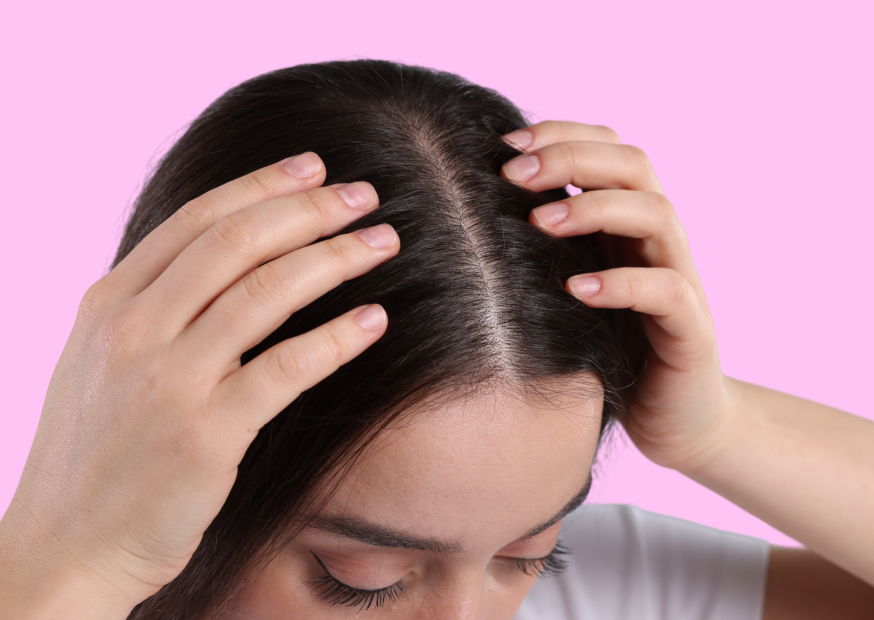
2. Poor Scalp Health
A clogged, flaky, or poorly nourished scalp can restrict hair growth. Product buildup, dandruff, and lack of moisture are common issues.
3. Nutritional Deficiencies
Hair needs nutrients like biotin, zinc, iron, and vitamins A, C, and E to grow. If your diet is lacking, your hair may suffer.
4. Stress and Its Effects on Hair
Stress triggers a condition called telogen effluvium, where hair enters the resting phase too early, leading to shedding and slowed regrowth.
5. Hormonal Imbalances
Conditions like thyroid disorders, or postpartum changes can affect hair growth by disrupting hormone levels.
6. Age and Genetics
As we age, the growth phase shortens, and some people are genetically predisposed to slower or thinner hair growth.
7. Using the Wrong Products
Harsh shampoos, sulfates, and parabens can weaken your hair and scalp over time, leading to dullness and breakage.
Proven Solutions to Boost Hair Growth
1. Protect Your Hair
- Use heat protectants when styling.
- Avoid harsh chemicals and let your hair recover from treatments.
- Sleep on a silk pillowcase to reduce friction.
2. Improve Scalp Health
- Exfoliate your scalp weekly to remove buildup.
- Use oils like rosemary or peppermint to boost circulation.
- Wash your hair with a gentle, sulfate-free shampoo (like our vegan hair care range!).
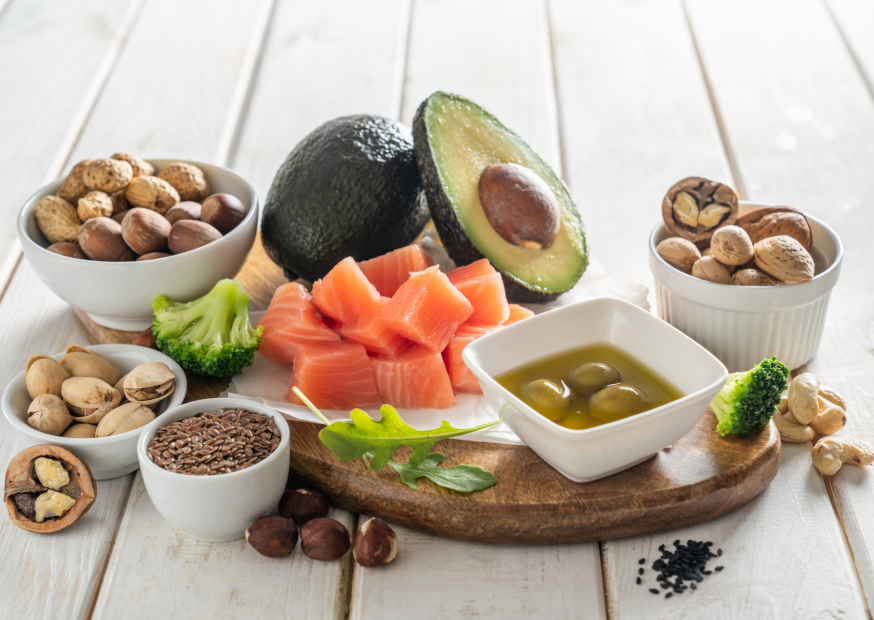
3. Eat for Healthy Hair
Incorporate these foods into your diet:
- Biotin-rich foods: Eggs, nuts, and seeds.
- Iron sources: Spinach, lentils, and red meat.
- Omega-3 fatty acids: Salmon, walnuts, and flaxseeds.
4. Reduce Stress
- Practice meditation, or other relaxation techniques.
- Ensure you get 7-9 hours of sleep every night.
5. Try Growth-Boosting Treatments
- Use weekly deep conditioning masks to hydrate and strengthen your hair.
- Apply serums designed for stimulating hair follicles.
6. Be Gentle with Your Hair
- Use a wide-tooth comb on wet hair to minimize breakage.
- Avoid tight hairstyles that pull on your hair.
7. Switch to Hair-Friendly Products
Opt for organic, sulfate-free, and vegan hair care products. Many products now are specifically designed to promote healthier, stronger hair without harmful ingredients.
- Use heat protectants when styling.
- Avoid harsh chemicals and let your hair recover from treatments.
- Sleep on a silk pillowcase to reduce friction.
When to Seek Professional Help
If you’ve tried these tips and your hair still isn’t growing, consider consulting a dermatologist or trichologist. They can check for underlying conditions like alopecia, hormonal imbalances, or scalp disorders and recommend medical treatments.
Final Thoughts
Growing healthy hair takes patience and consistent care. By addressing the root causes of slow hair growth and adopting these proven tips, you’ll be well on your way to achieving the luscious locks you’ve always wanted.
Further Reading
For more detailed information on hair growth and its challenges, visit the Cleveland Clinic’s article on Hair Loss: Causes, Treatments, and Prevention Options.